
RECENT POSTS
-
 June 20, 2025
 -
 June 16, 2025
 -
 June 13, 2025
 -
 June 9, 2025
 -
 June 6, 2025
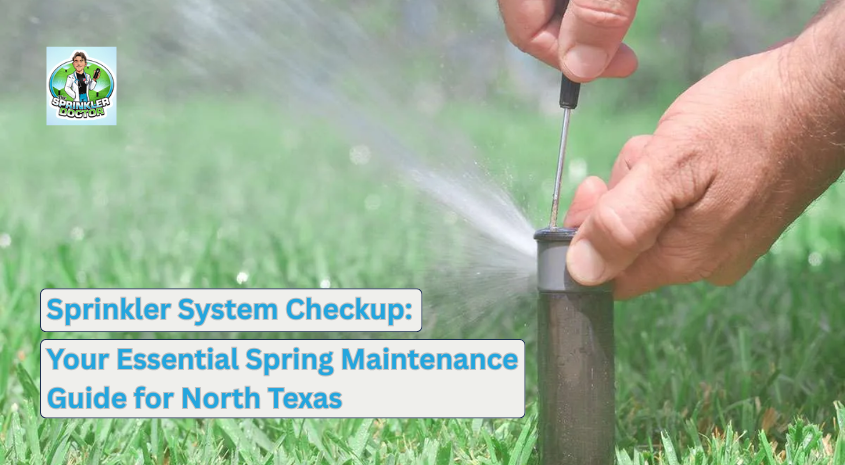
Sprinkler System Checkup: Your Essential Spring Maintenance Guide for North Texas
There is no better time to inspect your sprinkler system than spring in North Texas. The region’s expansive clay soil and sudden weather changes can damage system components and lead to water waste. A whole spring checkup will pick up trouble ahead of time. A properly maintained system will run well, conserve water, and keep a green, healthy-sounding lawn all season long.
Why Spring Sprinkler Maintenance Matters in North Texas
North Texas needs spring sprinkler care. During the winter, pipes can crack, sprinkler heads rupture, and valves freeze, and the damage can remain untraced until the trouble becomes prominent. The high-watering season is the worst time to check and rectify such problems, and spring is the best time.
A good sprinkler system will keep your lawn green and save your foundation. It will also prevent dry spots and the shifted soil, which is a problem in Texas clay.
How to Perform Sprinkler System Maintenance
Maintenance is required to make sure that your sprinkler operates efficiently and lasts long. For an effective result, follow this guide:
1. Inspect Sprinkler Heads
Take a look at your lawn and inspect all the sprinkler heads. Inspect the nozzles to check whether they are blocked or broken, and whether any cracks or misalignments that would make the coverage uneven. Make sure that each head sprays within the landscape but does not mist on the sidewalks, fences, and the street.
Remove grass, soil, or any material that may obstruct the spray. Cleaning and alignment will ensure maximum water efficiency and even lawn growth during spring.
2. Check for Leaks or Broken Pipes
Leaks may waste water and impair your landscaping. Look out for wet spots, foaming water, or low-pressure misting—indicators of potential underground trouble. Be careful and lightly dig around these points to ascertain and find broken pipes.
Do not hesitate to fix broken or loose connections because it will help you prevent further damage. When you repair the leaks immediately, it is guaranteed that water is delivered effectively to your yard all year round, and the likelihood of larger issues happening is minimal.
3. Test the Controller and Settings
Your controller controls when and in what order to activate your sprinkler zones. Switch it on and watch each zone's operation. Look out for lateness, skips, or running after the scheduled time.
Modify your watering routine to suit springtime requirements, which are typically lower than summer ones. Do not forget to change backup batteries to sustain your program in case of power cuts.
4. Inspect Valves and Zones
Valves control water throughout the system. Those valve controls should be tested to make sure that they open and shut right. Where you suspect abnormality, like a clogged or a faulty valve, make sure that you clean it or change it as the situation requires.
Additionally, take time out to test each zone one at a time. Look at areas that may be under-watered or over-saturated, and even coverage is what makes a healthy lawn. The spring is an ideal time to adjust the flow of every zone.
5. Check Water Pressure
High or low pressure affects performance. Misting may occur with high pressure, and weak spray may occur with low pressure. Measure PSI with a water pressure gauge. The best systems operate between 30 and 50 PSI.
Check the pressure against the range and look for blockage or leakage. Keeping the proper PSI will provide even watering and increase the life of the equipment.
6. Look at Sensors and Smart Features
Most systems have moisture sensors or rain and Wi-Fi controllers. Test rain sensors either through simulated rain or indicator lights. Change batteries or reset gadgets when necessary.
Make sure that smart systems are updated and correctly react to weather information. Well-functioning sensors can minimize the problem of overwatering and contribute to sustainable watering behavior.
Signs You Need a Professional Sprinkler Technician
- The system will not turn on or off properly
- Large water bills despite regular use
- Uneven watering or dry spots
- Electrical or wiring issues in the controller panel
- Sprinkler heads are not working correctly
Spring Tips to Extend Sprinkler System Life
- Flush the system at the start of the season: Before starting your system, clean the lines of dirt, insects, or sediment. This enhances the flow of water and also allows early detection of leaks or blocked heads.
- Set up a biannual checkup schedule (Spring and Fall): Professional inspections should be scheduled in spring and fall. Spring tune-ups and fall servicing help to ensure that your system is ready to be used a lot and to be taken care of during winter.
- Reduce evaporation and protect sprinkler heads: Where sprinkler heads are present, protective mulch should be placed against plants and flower gardens. It can be applied to save water by maintaining a wet soil to reduce the frequency of watering and to protect the sprinkler heads against foot treading or breaking.
- Inspect the system monthly: Make sure that no parts are broken, there are no destructive patterns during sprays, and there is no standing water. Instead of conducting needless system repairs, regular monthly checks make the system operate effectively.
Conclusion
Spring is the best season to inspect and maintain the sprinkler system. A minimal amount of money invested now during maintenance will save big bucks spent on restorations, wasted water, and lawn maintenance all season. You will have a lush lawn, a reduced water bill, and a well-running system.
Having problems with your spring checkup? Contact The Sprinkler Doctor now and get the professional care that your system needs.